
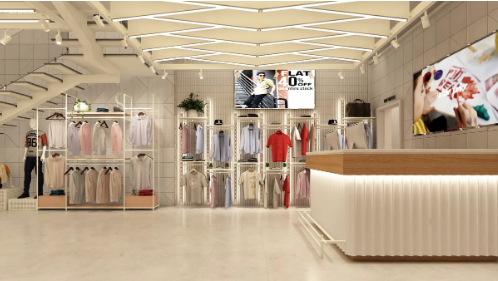
Modern interiors are no longer just about function. They are about feeling. Light, texture, color, and composition now work together to shape how a space is experienced. People notice details more than ever. A wall finish. A shadow. A focal piece that holds attention for a few extra seconds. These visual choices influence comfort, mood, and memory. When done well, interiors do not just look good. They stay with you.
The Shift Toward Experience Driven Design
Interior design has moved beyond matching furniture and paint. Today, spaces are designed to tell a story. Designers think about how the eye travels across a room. They consider pauses, contrasts, and moments of calm. Visual flow matters. So does balance. A modern interior often feels layered rather than filled. Empty space is used with intention. This approach creates rooms that feel thoughtful and lived in, not staged.
Modern Hotels As Immersive Visual Spaces
Hotels are shared environments designed to host people with different tastes, moods, and expectations. In design terms, hotels are places where visual comfort must work instantly. Lobbies welcome. Corridors guide. Rooms calm the senses. Color palettes are usually controlled. Lighting is soft but directional. Statement pieces are placed where the eye naturally rests. In modern hotels, visuals are curated to feel both memorable and neutral. That balance defines successful hotels.
Artwork As A Visual Anchor In Interiors
Artwork refers to visual pieces such as paintings, sculptures, or installations that add meaning to a space. In modern interiors, artwork is not an afterthought. It is often the starting point. A single piece can set the tone for an entire room. It creates focus. It invites interpretation. Abstract forms add movement, while minimal pieces bring calm. When thoughtfully placed, artwork connects emotional depth with physical space, which is the true role of artwork.
Lighting That Shapes Mood And Depth
Light controls how every visual element is perceived. Natural light changes throughout the day, giving interiors a dynamic quality. Artificial lighting fills in the gaps. Warm light softens edges. Cool light sharpens details. Designers now layer lighting to create depth. Accent lights highlight textures. Ambient light supports comfort. The result is a space that feels alive, not flat. Good lighting does not announce itself. It simply works.
Materials That Engage The Eye
Texture plays a quiet but powerful role. Smooth surfaces reflect light. Matte finishes absorb it. Wood adds warmth. Stone brings weight. Glass introduces openness. Modern interiors often mix materials to avoid visual monotony. Contrast is key. A rough wall next to a soft fabric feels intentional. These material choices guide touch as much as sight. They make spaces feel grounded and real.
Spatial Flow And Visual Balance
The way objects are arranged matters as much as what they are. Visual balance keeps a room from feeling heavy or empty. Symmetry creates order. Asymmetry adds energy. Sightlines are carefully planned so the eye moves naturally. Nothing blocks movement or attention. This flow supports comfort. It also supports clarity. A well-balanced interior feels easy to understand, even without words.
Conclusion
Modern interior experiences are shaped by thoughtful visual decisions. Every element contributes to how a space feels and functions. From lighting and materials to layout and focal points, nothing stands alone. When visuals are intentional, interiors become more than places to occupy. They become places to remember. That is the true power of modern design.