

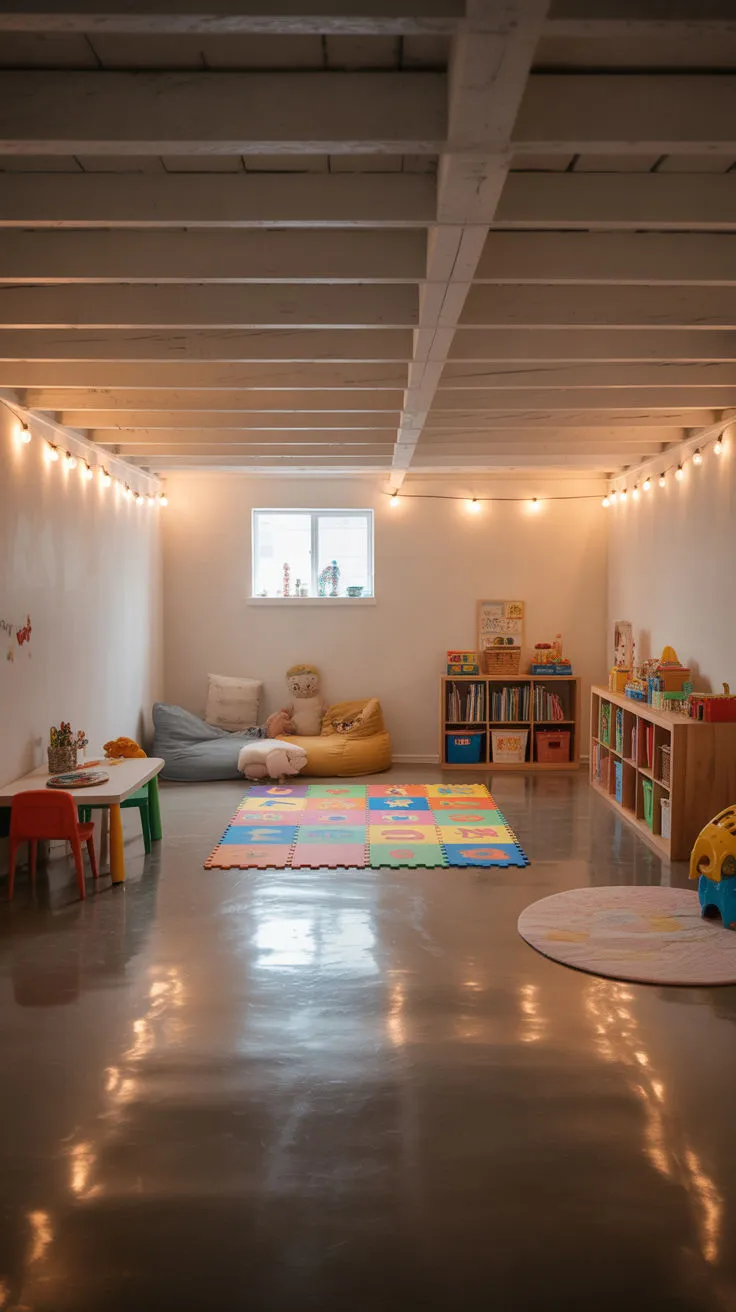

An unfinished basement can offer valuable living space without requiring an extension to the house. Families might want a playroom, home gym, entertainment area, or somewhere teenagers can spend time with friends. However, a successful conversion involves more than painting walls and purchasing furniture. Choosing a suitable basement epoxy floor may help create a finished surface over properly prepared concrete, but moisture, insulation, lighting, and everyday comfort deserve equal attention. Understanding these requirements before renovation begins can help homeowners create a space that remains useful throughout Utah’s changing seasons.
Begin With the Basement’s Condition
Before choosing furniture or decorative finishes, examine the existing basement carefully. Look for water stains, musty odors, visible cracks, and signs of previous flooding. These conditions may indicate problems that require attention before renovation.
A dry-looking concrete slab is not necessarily free from moisture movement. Groundwater conditions, plumbing leaks, and inadequate drainage can influence basement environments. Persistent dampness should be investigated rather than concealed beneath new flooring or furnishings.
Decide How Your Family Will Use It
A children’s playroom has different requirements from a home cinema or exercise space. Toys, gaming equipment, weights, and furniture all place different demands on the available floor area.
Identify the activities that will occur most frequently. Consider whether separate zones are needed for storage, entertainment, or hobbies. An adaptable layout can be particularly helpful as children grow and household interests change.
Compare Flooring Materials Carefully
Basement floors may be finished with vinyl, tile, carpet, or suitable resin systems. Each option offers different characteristics relating to comfort, moisture, cleaning, and appearance.
Professional epoxy flooring can create a relatively continuous protective surface when the underlying concrete is suitable. However, epoxy is not a substitute for correcting active water intrusion. Homeowners should discuss moisture assessment, substrate preparation, traction, and coating compatibility before choosing a system.
Make the Space Comfortable for Everyone
Concrete-based flooring provides a firm surface, which may be practical for certain activities but uncomfortable when sitting or standing for extended periods. Removable rugs or appropriate exercise mats can help create more comfortable zones.
Temperature also matters in Utah basements. Insulation, heating, and airflow may require attention before the room becomes suitable for regular use. Any planned changes should follow applicable building requirements, particularly when converting unfinished areas into habitable rooms.
Plan Storage Around Family Activities
A multifunctional basement can quickly become cluttered when games, sports equipment, and seasonal belongings share the same space. Storage should be accessible without obstructing movement.
Useful arrangements may include:
-
Closed cabinets for games and craft supplies.
-
Wall shelving for lighter household items.
-
Dedicated containers for seasonal decorations.
-
Protective mats beneath suitable exercise equipment.
-
Clear routes between activity zones and exits.
Heavy storage units should be secured appropriately. Keep required access to utilities and electrical equipment unobstructed.
Improve Lighting Without Creating Glare
Basements often receive limited daylight, making artificial lighting especially important. Bright overhead fixtures may provide general illumination, while adjustable lamps can support reading, hobbies, or detailed work.
Floor reflectivity should be considered alongside lighting. Highly glossy finishes may produce distracting reflections during films or gaming. Choosing a more restrained appearance can sometimes improve visual comfort without sacrificing the room’s decorative character.
Coordinate Installation With Other Improvements
Floor preparation can involve grinding, repairing damaged concrete, and applying compatible coating layers. These activities are easier to complete before heavy furniture, cabinets, and entertainment equipment are installed.
Discuss surface preparation, ventilation, temperature conditions, and curing requirements with the contractor. A finished coating may require additional time before it can support furniture or regular activity. Planning these restrictions prevents unnecessary disruption to other renovation work.
Maintain a Healthy Indoor Environment
A finished basement still requires regular inspection and maintenance. Keep humidity under control, address leaks promptly, and clean the floor with products compatible with its protective finish.
Avoid assuming that coating concrete eliminates all indoor air or moisture concerns. Proper ventilation and building maintenance remain important. If unusual dampness or persistent odors return, investigate the cause before making additional cosmetic improvements.
Conclusion
Transforming an unfinished basement into a family activity space requires careful attention to the building’s condition and intended use. Suitable flooring, effective moisture management, comfortable lighting, and practical storage can help create an adaptable environment. Homeowners should investigate existing concrete before selecting decorative finishes and avoid relying on coatings to correct waterproofing problems. For residents researching basement concrete finishing in Utah, hardrockconcretecoatings.com provides information about epoxy systems and related services. Thoughtful renovation decisions can make previously unused space more comfortable while supporting changing household needs over time.