

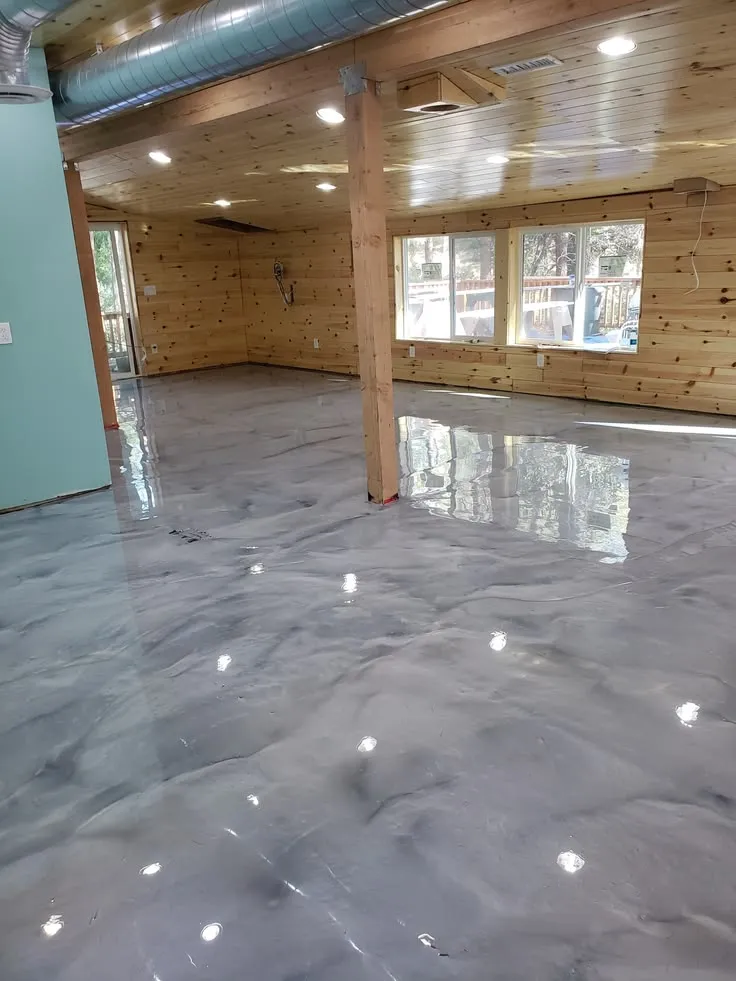

Interior design is no longer limited to wall colors, furniture, and lighting. Flooring has become an important way to establish the character of a room, particularly in contemporary homes and customer-facing businesses. Instead of selecting conventional tiles or plain concrete, property owners are exploring finishes that combine artistic appearance with everyday functionality. Professional metallic epoxy flooring offers swirling patterns, layered colors, and reflective effects that make each installation visually distinctive. Understanding how this flooring works helps property owners decide whether it suits their design goals and practical requirements.
Understanding the Metallic Finish
Metallic epoxy differs from traditional solid-color coatings because it incorporates special pigments into a resin system. As the material is applied and manipulated, the pigments form flowing patterns that can resemble marble, flowing water, or natural stone. The final appearance depends on color combinations, application techniques, and how the pigments move before curing. Even when similar colors are selected, two installations are unlikely to look identical.
This variation appeals to property owners who want a customized interior without relying on repeated patterns found in conventional flooring products.
Choosing Spaces That Benefit Most
Metallic finishes are particularly effective in areas where appearance contributes to the overall experience. Residential entertainment rooms, finished basements, retail showrooms, and reception areas can benefit from their decorative character. A dark metallic floor might complement minimalist furniture and neutral walls, while lighter colors can create a brighter appearance in rooms with limited natural light.
However, the finish must also suit the space’s activities. Areas exposed to frequent moisture, heavy equipment, or specific chemicals may require additional performance considerations. Choosing the right application involves balancing the visual effect with the conditions the floor will encounter.
Important Design Decisions Before Installation
Property owners should review several details before committing to a metallic floor. The appearance seen in a photograph may differ from the final result under actual room lighting.
Important considerations include:
- Color combinations: Select shades that complement surrounding walls and furniture.
- Light reflection: Consider how windows and overhead lighting influence the finish.
- Surface texture: Discuss traction requirements in areas that may become wet.
- Pattern variation: Understand that pigment movement produces naturally different designs.
- Maintenance expectations: Choose a finish appropriate for the room’s everyday use.
These decisions help create a cohesive design while reducing the likelihood of unexpected results.
Why Concrete Preparation Still Matters
An attractive finish cannot compensate for an unsuitable concrete foundation. Cracks, contamination, moisture, and previous coatings can interfere with adhesion and affect the completed installation. Before applying an epoxy floor coating, professionals typically evaluate the substrate and prepare it using appropriate mechanical methods. Grinding helps remove incompatible surface materials and establish a suitable bonding profile.
Damaged sections may require repairs, while moisture concerns should be investigated before installation. Once the surface is ready, the coating system can be applied according to the manufacturer’s specifications. Proper preparation supports durability and helps preserve the intended appearance over time.
Balancing Appearance With Everyday Performance
Metallic floors attract attention because of their distinctive patterns, but practical performance remains important. A properly specified epoxy system can provide a seamless, relatively easy-to-clean surface. Its nonporous finish can help prevent many common spills from penetrating the underlying concrete. However, chemical resistance varies by product, and spills should still be cleaned promptly.
Highly glossy surfaces may reveal scratches or create unwanted reflections in certain environments. Suitable topcoats and surface textures can help address specific needs. Property owners should discuss expected foot traffic, furniture movement, and cleaning procedures before choosing the final system.
Coordinating the Floor With Interior Features
A metallic floor often becomes a focal point, so surrounding design choices deserve careful attention. Simple furniture and restrained wall colors can allow the flooring pattern to remain prominent without overwhelming the room. In commercial spaces, coordinated lighting may emphasize the finish while maintaining a comfortable environment.
The relationship between floor color and room size also matters. Darker finishes can create dramatic contrast, while lighter tones may make some interiors feel more open. Reviewing physical samples and completed installations can help property owners visualize the finished space more accurately.
Maintaining a Decorative Epoxy Surface
Routine cleaning helps preserve the appearance of a metallic floor. Removing abrasive grit reduces scratching, particularly near entrances and frequently used pathways. Cleaning products should be compatible with the installed coating system. Protective pads beneath furniture can also reduce unnecessary surface wear.
Although epoxy offers useful durability, it is not immune to damage. Heavy impacts, dragged objects, and unsuitable chemicals may affect the finish. Following the installer’s maintenance recommendations helps maintain both the decorative effect and surface performance.
Conclusion
Metallic epoxy offers an alternative to ordinary flooring by combining customized patterns with practical concrete protection. Successful installations depend on thoughtful color selection, careful substrate preparation, and realistic maintenance expectations. Whether upgrading a residential interior or creating a distinctive commercial environment, professional planning helps achieve a balanced result. Property owners considering decorative epoxy solutions in Utah can explore available installation options and design possibilities through hardrockconcretecoatings.com before starting their next flooring improvement.