

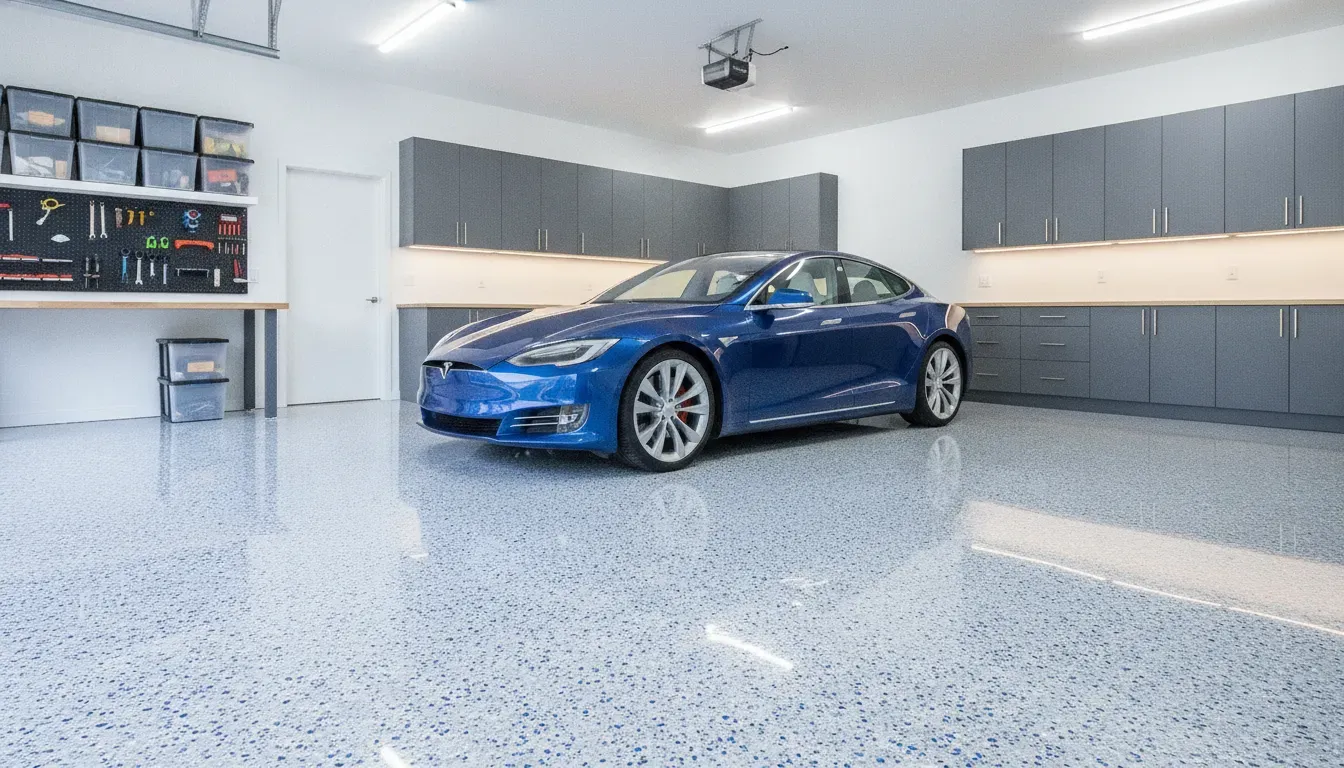

Atlanta garages take a beating. Summer heat, winter moisture, hot tires, dripping oil, and constant foot traffic all test whatever sits on the concrete. Many homeowners start by comparing coatings, and polyaspartic flooring often rises to the top of the list because it cures fast and handles temperature swings well. Still, the right choice depends on how you use the space, how much downtime you can tolerate, and what look you want. This guide walks through the practical differences so you can decide with confidence.
What Sets Polyaspartic Apart
Polyaspartic coatings are a close cousin of polyurea, engineered to cure quickly and stay flexible once hardened. That flexibility lets the film move slightly with the slab instead of cracking under stress. The material also resists abrasion, chemicals, and the hot-tire pickup that peels weaker finishes. Because it is UV stable, it will not yellow when sunlight pours through an open garage door. Those traits explain why professionals often recommend it for busy bays where vehicles, tools, and storage bins share the same square footage.
Cure Time and Project Downtime
Time is where polyaspartic really separates itself. Many systems can be installed and walked on within a day, which means your garage is back in service almost immediately. Traditional coatings often need several days before they can handle vehicle weight. If you rely on that space for daily parking, or you simply cannot lose a whole week, the shorter turnaround is a genuine advantage. Faster curing also reduces the window in which dust or debris can settle into the wet surface.
Where Epoxy Still Makes Sense
Polyaspartic is not automatically the winner for every project. If you search for epoxy flooring near me, you will find that epoxy remains a strong, cost-conscious option, especially for large, climate-controlled interiors where fast curing is less important. It bonds tightly to properly prepared concrete and delivers a deep, glossy finish. Many installers also combine the two, using epoxy as a thick base and a polyaspartic topcoat for UV and scratch protection, which captures the strengths of each material in one system.
Surface Preparation Matters Most
No coating performs better than the concrete beneath it. Professional crews diamond-grind the slab to open the pores, remove old sealers, and create a profile the product can grip. Cracks, pits, and joints are repaired before any color goes down. Skipping this stage is the leading reason coatings peel or bubble early. Moisture testing is equally important in humid Georgia, since vapor moving up through the slab can undermine adhesion. Ask any contractor how they prepare the surface before you compare prices.
Handling Heat, Sunlight, and Moisture
Georgia weather asks a lot of a garage floor. Heat builds up inside closed garages, and humidity lingers for months. A coating that expands and contracts with the concrete handles those cycles better than a rigid film. Polyaspartic’s UV stability also protects color near the door, where sun exposure is strongest. Add road grime, brake fluid, and the occasional gasoline spill, and a sealed, chemical-resistant surface becomes more than a cosmetic upgrade. It protects the slab itself from long-term damage.
Finish Options and Garage Aesthetics
Today’s garage floors look nothing like the gray slabs of the past. Decorative flake blends scatter color across the surface, hiding dust and small marks while adding traction. Solid colors give a clean, showroom look, and metallic effects create a dramatic, swirled depth. Texture can be adjusted for slip resistance without sacrificing cleanability. Think about the lighting in your space as well, because glossy finishes reflect light and brighten dim garages, while satin options reduce glare in naturally bright spaces.
Maintenance and Long-Term Value
A coated floor is easy to live with. Sweeping and an occasional wash with a mild cleaner remove most dirt, and spills wipe up before they can soak in. There is no need for waxing or frequent resealing. Avoid harsh abrasives, and lift rather than drag heavy metal objects so the surface stays unmarked. Over the years, that low-maintenance routine, combined with strong resistance to wear, often makes a quality coating a better value than cheaper alternatives that need early replacement.
Conclusion
Choosing between coating systems comes down to usage, timeline, and appearance, not hype. One system offers speed and resilience, another offers economy, and a hybrid can balance both. Whichever route you take, proper preparation and skilled installation decide how long the result lasts. To discuss your garage, basement, or workshop with a team that understands local conditions, reach out to faustflooring.com and ask for guidance tailored to your space and budget. A well-chosen floor pays you back every time you pull in.