


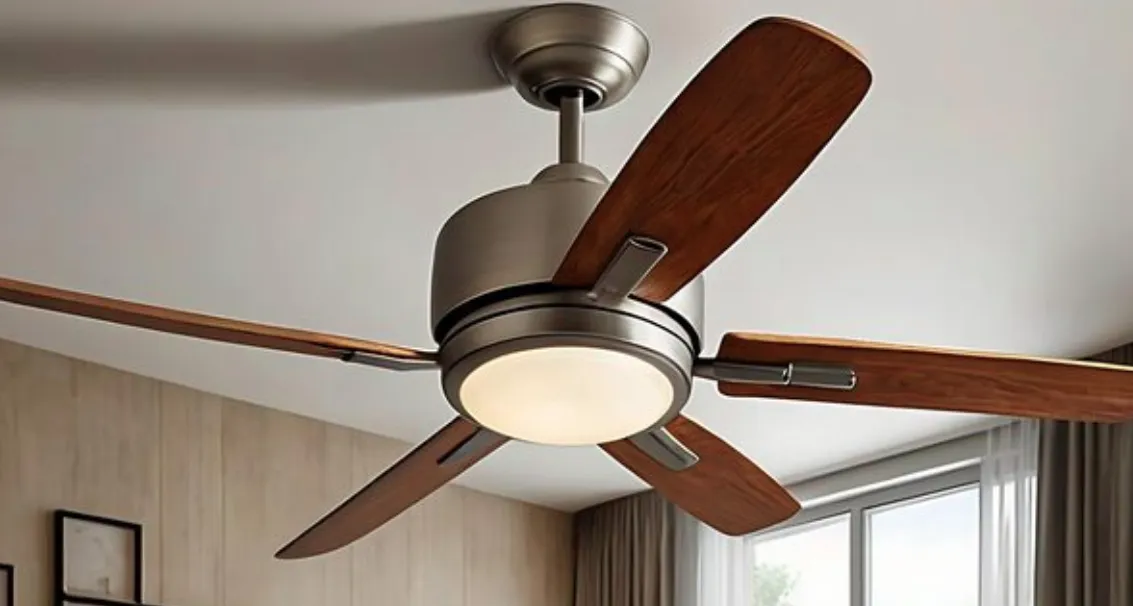
For years, ceiling fans were viewed strictly as functional utilities—often clunky, oversized, and aesthetically intrusive additions to a room. However, the landscape of interior design has shifted dramatically.
Today, these fixtures are celebrated as versatile design elements that can enhance the visual appeal of any space while providing essential climate control.
Whether you are aiming for a minimalist, industrial, or classic look, integrating a fan into your design scheme allows you to marry form and function seamlessly.
By selecting the right size, style, and placement, you can transform a necessary cooling appliance into a stunning architectural feature that elevates your home décor to new heights of sophistication.
Selecting a Style that Complements Your Theme
The first step in incorporating a fan into your décor is ensuring it aligns with the overall design narrative of your home. If your space features clean lines and a contemporary palette, opt for fixtures with matte black, brushed nickel, or white finishes that blend into the ceiling.
For more traditional or rustic homes, look for models with rich wood finishes or ornate metalwork that can serve as a deliberate decorative accent.
Because they are often focal points in a room, it is crucial to choose a style that mirrors your existing lighting fixtures, hardware, and furniture, creating a cohesive visual experience that feels intentional and well-planned.
Utilizing Flush-Mount Designs for Architectural Harmony
One of the greatest challenges in interior design is maintaining a sense of openness, particularly in rooms where vertical space is limited. Bulky fans with long downrods can make a room feel closed in and visually heavy.
This is where low profile ceiling fans become invaluable. These units sit flush against the ceiling, providing a streamlined, unobtrusive silhouette that allows the architecture of the room to shine.
By opting for these fixtures, you preserve the perceived height of your ceilings and maintain a clean, sophisticated look that is perfect for modern apartments and homes with lower standard ceilings, ensuring your space feels airy and expansive.
Harmonizing with Existing Lighting Fixtures
A common design mistake is choosing a fan that clashes with the surrounding light sources. Instead, view your fan as an opportunity to unify the room’s lighting.
Many high-end models now feature integrated LED kits that offer adjustable color temperatures and dimming capabilities, allowing you to match the light output to your specific needs.
When searching for your perfect match, consider how the fan’s light kit integrates with other lamps or recessed lighting in the space.
If you want a truly minimalist appearance, low profile ceiling fans with hidden, integrated lighting offer a beautiful, uniform look that provides ample illumination without sacrificing the sleek design of the fixture.
Creating Contrast or Camouflage
Depending on your design goals, you can either make your fan a statement piece or let it disappear into the background. To camouflage your fixture, choose a color that matches your ceiling paint exactly, allowing the fan to blend into the overhead plane.
Conversely, if you want to make a bold impact, select a finish that provides strong contrast against the ceiling—such as a deep charcoal fan against a white ceiling or a metallic gold fixture in a moody, dark-toned room.
Both approaches are valid, provided that your choice contributes to the overall balance and rhythm of the room’s design, creating interest or serenity as desired.