

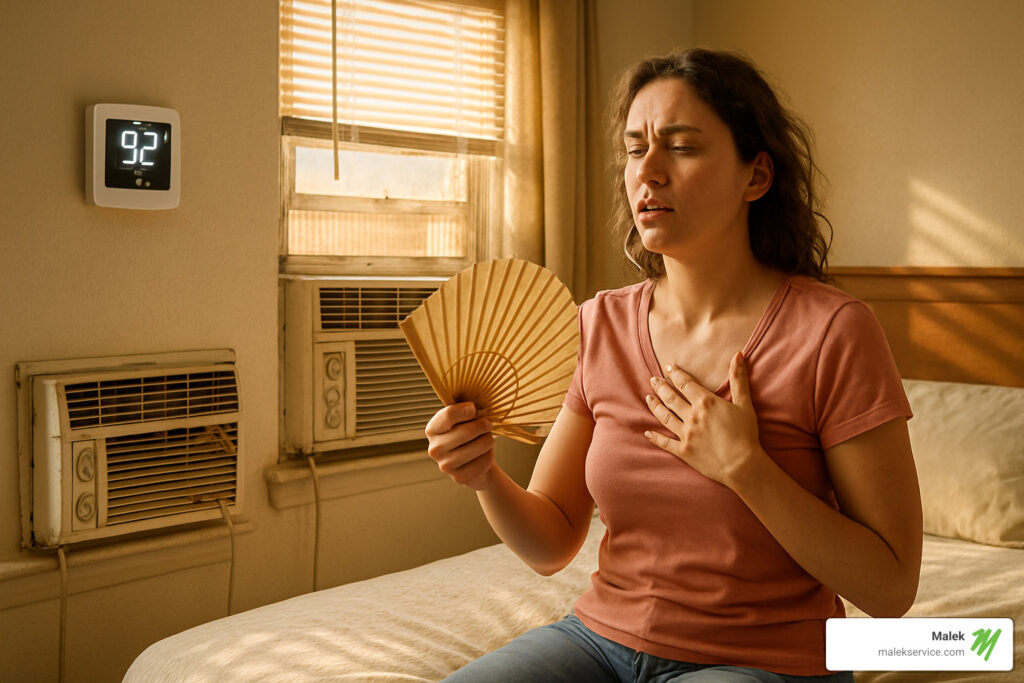

A comfortable home depends on more than setting the thermostat to the right temperature. Uneven cooling, sticky air, lingering odors and rooms that never seem to feel comfortable can indicate underlying problems with airflow, humidity or the heating and cooling system.
Understanding these less obvious issues can help homeowners identify the reasons behind persistent discomfort. Knowing when to make simple adjustments and when to seek professional HVAC services in St. Johns, FL can also help address problems before they become more difficult to resolve.
Excess Humidity Inside the Home
Humidity is a major factor in indoor comfort, particularly in Florida, where warm, moisture-rich air is common. Even when the air conditioner reaches the set temperature, excessive indoor humidity can leave rooms feeling damp and uncomfortable.
Air conditioners remove some moisture as they cool the air, but their ability to manage humidity depends on factors such as system operation, equipment condition and indoor moisture levels. Short operating cycles may limit moisture removal, while an incorrectly sized system may struggle to maintain consistent comfort.
Homeowners can use a hygrometer to check indoor relative humidity. If humidity remains high, look for moisture sources such as plumbing leaks, damp crawl spaces or inadequate bathroom ventilation. Persistent moisture, musty odors or visible mold growth may require professional assessment.
Poor Airflow and Uneven Temperatures
Some rooms may feel colder or warmer than others, even when the thermostat shows the desired temperature. This can happen when conditioned air does not reach every part of the home evenly.
Blocked supply vents, dirty air filters, leaking ductwork and restricted return-air pathways can interfere with circulation. Furniture placed over vents can also reduce airflow. In some homes, duct design or room layout contributes to persistent temperature differences.
Start by checking that vents are open and unobstructed. Replace or clean filters according to the manufacturer’s instructions. If the problem continues, an HVAC technician can inspect the ductwork, airflow and system operation to identify the cause.
Dirty Filters and Indoor Air Quality
Air filters help capture airborne particles before they circulate through the HVAC system. When a filter becomes clogged, it can restrict airflow and make the equipment work harder to move air.
However, indoor air quality involves more than filtration. Dust, pollen, pet dander, cooking fumes and household cleaning products can affect the air inside a home. Inadequate ventilation may allow some pollutants and odors to accumulate.
Check the filter regularly and use the type and size recommended for your system. A filter with a higher efficiency rating is not automatically the best choice if the equipment cannot accommodate its airflow resistance. For ongoing concerns, consider whether improved ventilation, appropriate filtration or a professional indoor air quality assessment is needed.
Hidden Problems with Ductwork
Ductwork carries conditioned air between the HVAC system and the rooms throughout a home. Leaks, damaged insulation or poorly connected sections can reduce the amount of cooled or heated air reaching living spaces.
Duct problems may contribute to uneven temperatures, higher energy use and inadequate airflow. Ducts running through hot attics can also gain heat when their insulation is insufficient or damaged.
Homeowners can look for visible damage around accessible duct connections, but concealed leaks usually require a closer inspection. A qualified technician can assess duct condition and determine whether sealing, insulation repairs or airflow adjustments are appropriate.
Thermostat Placement and Settings
The thermostat measures temperature in one location, so its position can affect how the system responds. If it sits near a sunny window, heat-producing appliance or drafty doorway, its reading may not reflect the conditions in the rest of the house.
Incorrect settings can also create confusion. Fan settings, schedules and temperature adjustments may affect how consistently the system operates. For example, running the indoor fan continuously can sometimes re-evaporate moisture from a wet cooling coil, depending on the system design.
Keep the thermostat away from direct sunlight and other sources of misleading heat when possible. If some rooms remain uncomfortable despite reasonable settings, the issue may involve airflow, equipment operation or the need for better temperature control between different areas.
Insulation, Windows and Air Leaks
Indoor comfort also depends on how well a home keeps outdoor heat and moisture out. Gaps around windows, doors, plumbing penetrations and attic openings can allow outdoor air to enter and conditioned air to escape.
Insufficient attic insulation can make upper floors harder to cool during hot weather. Older or poorly sealed windows may also contribute to heat gain, drafts and temperature differences near exterior walls.
Inspect weatherstripping and visible seals for damage. Check for gaps around doors and windows, and consider an energy assessment if the home remains uncomfortable despite normal HVAC operation. Sealing leaks and improving insulation can reduce unwanted heat transfer, although the appropriate improvements depend on the home’s construction and ventilation needs.
Practical Ways to Improve Indoor Comfort
Several basic checks can help homeowners identify common comfort problems before arranging a professional inspection.
● Check air filters: Inspect them regularly and replace them as recommended by the manufacturer.
● Keep vents clear: Move furniture and other objects away from supply and return vents.
● Monitor humidity: Use a hygrometer to identify persistently high moisture levels indoors.
● Inspect doors and windows: Look for damaged weatherstripping, gaps and obvious air leaks.
● Review thermostat settings: Check schedules, fan operation and temperature settings for unintended changes.
● Arrange routine maintenance: Have the system inspected according to manufacturer recommendations, especially before periods of heavy use.
If these steps do not improve comfort, avoid repeatedly lowering the thermostat. A persistent problem may need a more detailed assessment of equipment performance, ductwork or the building itself.
When Professional HVAC Help May Be Necessary
Some comfort problems are difficult to diagnose without testing. Refrigerant issues, failing components, drainage problems, electrical faults and incorrect system sizing can affect cooling performance and humidity control.
Professional HVAC services in St. Johns, FL, can help homeowners investigate recurring problems involving air conditioning, heating, airflow and indoor air quality. The appropriate service depends on the symptoms and the condition of the equipment.
Seek an inspection if the system runs unusually long, produces weak airflow, leaks water, makes unfamiliar noises or cannot maintain a comfortable temperature. If you notice a burning smell or suspect an electrical problem, turn the system off when safe and seek qualified assistance. A carbon monoxide alarm or suspected gas leak requires immediate action according to emergency safety guidance.
FAQs
Q.1 Why does my house feel humid even when the AC is running?
High indoor humidity may result from short cooling cycles, equipment problems, excess moisture entering the home or inadequate moisture removal. A humidity reading and professional inspection can help identify the cause.
Q.2 Why are some rooms warmer than others?
Uneven temperatures can result from blocked vents, duct leaks, insulation problems or differences in room exposure to sunlight. Persistent issues may require an airflow assessment.
Q.3 How often should I replace my HVAC air filter?
Replacement frequency depends on the filter type, household conditions and manufacturer recommendations. Homes with pets, construction dust or heavy system use may require more frequent checks.
Q.4 Can leaky windows affect air conditioning performance?
Yes. Air leaks can allow outdoor heat and humid air to enter, increasing the cooling demand and making indoor temperatures less consistent.
Q.5 When should I call an HVAC professional?
Arrange an inspection if discomfort persists despite basic checks, or if the system has weak airflow, unusual noises, water leaks or difficulty maintaining temperature. Electrical concerns and suspected gas leaks require prompt attention.
Closing Thoughts
Poor indoor comfort can stem from humidity, restricted airflow, dirty filters, duct leaks, thermostat placement or inadequate insulation. Identifying the underlying cause is more effective than relying on thermostat adjustments alone.
Start with simple checks and monitor recurring symptoms. If the problem continues, consider professional HVAC services in St. Johns, FL to assess the system and identify suitable solutions for your home’s comfort needs.