
Upgrading your home is a great way to improve comfort, lower energy use, and make everyday living easier. Whether you are planning a complete renovation or making improvements one step at a time, the right upgrades can make a major difference. Modern home improvements can also increase safety, reduce utility costs, and add long-term value to your property. From reliable power solutions to better insulation and smart technology, there are many ways to create a more comfortable and efficient home.
Generator Installation: Enjoy Reliable Backup Power
A generator installation can provide dependable backup power during outages. Power interruptions can affect heating, cooling, lighting, appliances, and security systems. A properly installed generator can automatically provide electricity to important areas of your home when the main power supply fails. This upgrade offers peace of mind and helps your household continue its normal routine during unexpected outages.
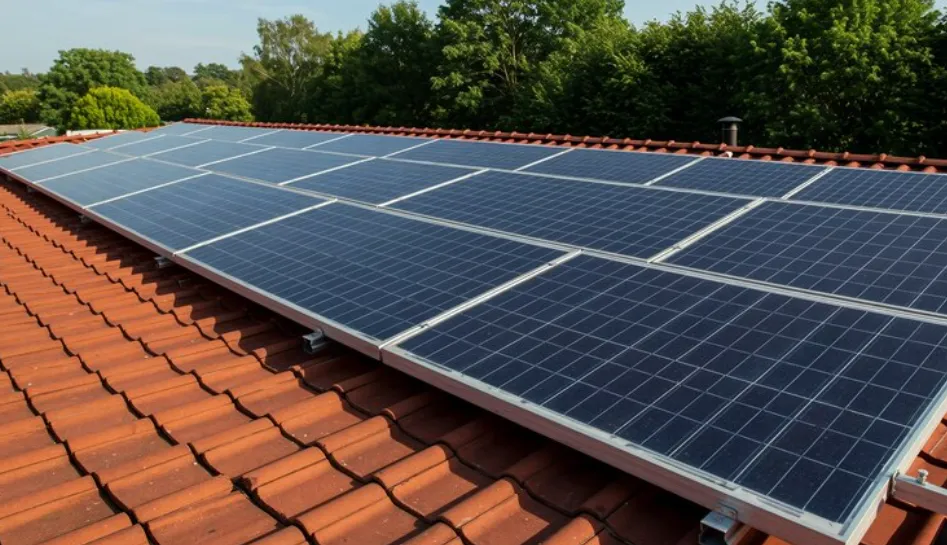
Solar Panel Installation: Use Clean and Renewable Energy
A solar panel installation can help homeowners produce their own electricity from sunlight. Solar energy can reduce dependence on traditional power sources and may help lower monthly electricity bills over time. With the right system, homeowners can use renewable energy for lighting, appliances, heating, cooling, and other household needs. Solar panels are also an environmentally friendly upgrade that can support a more sustainable lifestyle.
Improve Home Insulation for Better Temperature Control
Proper insulation is one of the most effective ways to improve energy efficiency. Poor insulation allows heated or cooled air to escape, forcing your HVAC system to work harder. Adding insulation to attics, walls, basements, and other areas can help maintain a more consistent indoor temperature. This can make your home more comfortable throughout the year while reducing unnecessary energy use.
Upgrade Windows and Doors to Reduce Energy Loss
Old windows and doors may allow drafts to enter and conditioned air to escape. Replacing them with energy-efficient options can improve indoor comfort and reduce heat transfer. Modern windows often provide better insulation and can help block outside noise. Properly sealed doors can also prevent air leaks and improve the overall efficiency of your home.
Install a Smart Thermostat for Efficient HVAC Control
A smart thermostat can make it easier to manage your home’s heating and cooling system. These devices allow homeowners to adjust temperatures according to their daily schedules and preferences. Some smart thermostats can learn household routines and help prevent unnecessary heating or cooling when no one is home. Better temperature control can improve comfort while helping reduce energy consumption.
Choose Energy-Efficient Appliances
Older appliances can use more electricity than newer energy-efficient models. Replacing outdated refrigerators, washing machines, dishwashers, and other appliances can help reduce energy use. Efficient appliances are designed to provide reliable performance while using fewer resources. When replacing appliances, homeowners should consider both energy ratings and the long-term operating costs.
Improve Lighting Throughout Your Home
Lighting upgrades can also contribute to better energy efficiency. Replacing traditional bulbs with LED lighting can reduce electricity consumption and provide long-lasting performance. LEDs are available in many styles and brightness levels, making them suitable for kitchens, bedrooms, bathrooms, outdoor spaces, and living areas. Smart lighting systems can provide additional convenience by allowing homeowners to control lights through timers, sensors, or mobile devices.
Upgrade Plumbing Fixtures to Save Water
Water-saving plumbing fixtures can improve efficiency and reduce water waste. Low-flow showerheads, faucets, and toilets can use less water while still providing effective performance. Fixing leaks and replacing old plumbing components can also prevent unnecessary water loss. These improvements can support a more efficient home and may help reduce monthly water expenses.
Improve Safety and Home Security
Comfort and efficiency are important, but safety should also be part of any home upgrade plan. Modern smoke detectors, carbon monoxide detectors, security cameras, smart locks, and outdoor lighting can help protect your household. These systems can provide early warnings and make it easier to monitor your property. A safer home offers greater peace of mind for everyone living there.
Conclusion
Revamping your home with thoughtful upgrades can improve comfort, energy efficiency, safety, and long-term value. Improvements such as generator installation and solar panel installation can support reliable and sustainable power, while better insulation, efficient windows, smart technology, and modern appliances can help reduce energy waste. By choosing upgrades that match your household’s needs and budget, you can create a more comfortable, efficient, and dependable home for years to come.