
Energy efficiency is an important part of creating a comfortable and cost-effective home. Windows play a major role in how a home manages indoor temperature throughout the year. Older or poorly performing windows can allow unwanted heat transfer, making it harder to maintain a comfortable indoor environment. Window replacement can provide a practical way to improve insulation, reduce energy use, and create a more comfortable living space.
Understanding the Role of Energy-Efficient Windows
Windows are more than a source of natural light and outdoor views. They also influence how much heat enters or leaves a home. Modern windows are designed with improved materials and technologies that help control heat transfer. Features such as insulated glass, multiple panes, quality frames, and energy-efficient coatings can support better indoor temperature control.
When homeowners consider window replacement, they can select window designs that are suited to their home’s climate and structure. Better-performing windows can help maintain a more stable indoor temperature, allowing heating and cooling systems to work more efficiently.
Improving Indoor Temperature Control
Maintaining a comfortable temperature can become easier when windows provide better insulation. During colder weather, well-insulated windows can help keep indoor warmth inside. In warmer seasons, they can help reduce the amount of outdoor heat entering the home.
This improved temperature control can make rooms feel more comfortable throughout the day. It can also create a more balanced indoor environment, especially in rooms that receive direct sunlight. As part of larger window replacement projects, homeowners can select products designed to provide the level of insulation their homes require.
Supporting Lower Energy Use
Heating and cooling systems often use significant amounts of energy to maintain a preferred indoor temperature. If windows allow considerable heat transfer, these systems may need to operate more frequently. Energy-efficient windows can help reduce this pressure by providing an additional layer of protection between the indoor and outdoor environments.
Over time, improved window performance may contribute to more efficient energy use. Homeowners planning window replacement projects can discuss available glazing, frame, and installation options with professionals to identify solutions that suit their property’s needs.
Reducing Unwanted Air Movement
Properly installed windows can also help improve the overall insulation of a home. Gaps or poorly fitted window units may allow outside air to enter and conditioned air to escape. Modern replacement windows, when correctly selected and installed, can provide a better fit around the window opening.
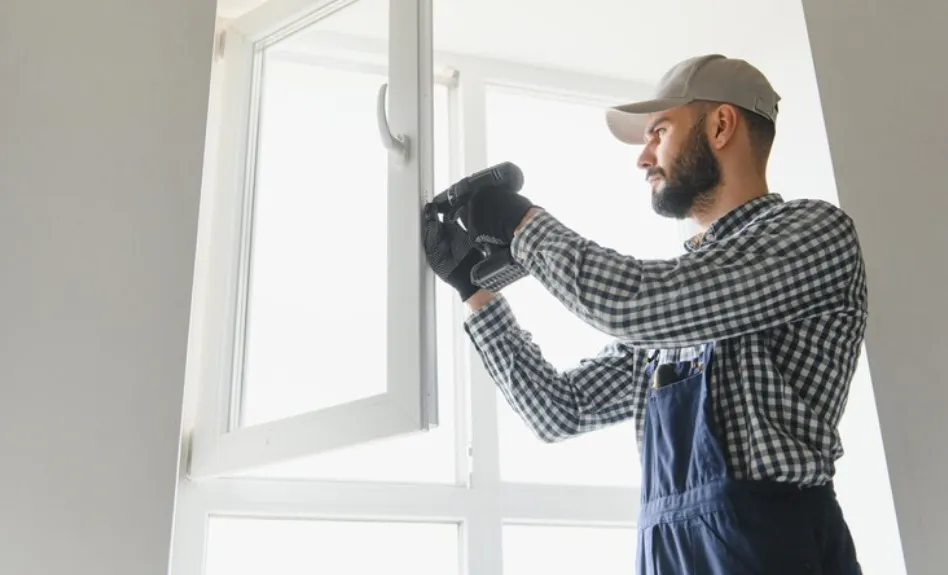
A professional approach to window replacement focuses not only on the window itself but also on proper installation. Careful fitting and sealing can support the window’s performance and help create a more comfortable indoor environment.
Choosing the Right Windows for Your Home
Every home has different requirements, so choosing suitable windows is an important part of the replacement process. Homeowners can consider factors such as window size, glass type, frame material, orientation, and local weather conditions.
Professional guidance can make it easier to understand the available options. During window replacement projects, selecting products with appropriate energy-efficiency features can help homeowners make a practical improvement that complements both the home’s appearance and performance.
Conclusion
Window replacement can be an effective way to support a more energy-efficient home. Modern windows can improve insulation, support better temperature control, reduce unwanted air movement, and help heating and cooling systems operate more efficiently. By choosing suitable products and ensuring proper installation, homeowners can create a comfortable indoor environment while making a valuable long-term improvement to their property.