
We completely understand the visual appeal of designer doors and the pursuit of the peace of mind that high-end, premium locks provide.
However, while upgrading to either or both of these can certainly enhance curb appeal, it is a common mistake to assume that a higher price tag automatically equates to impenetrable security.
Let’s take a deeper look past the aesthetic aspects and into the technical realities of these features, so you can ensure your home’s truly secure.
The Aesthetic Trap Of Modern Door Design
The market for designer doors has exploded in recent years, with homeowners opting for sleek, composite, or custom-timber options that transform the look of a property.
While these doors are built to be robust, they are often designed with visual symmetry in mind rather than purely structural resilience.
Some high-end doors feature large glass panels or intricate decorative inserts that, while beautiful, can become the weakest link if they are not reinforced with security-grade glazing.
Many luxury doors rely heavily on aesthetics, hiding thin structural cores beneath gorgeous outer veneers or heavy laminate layers. This can mislead property owners into assuming the door is solid throughout.
Furthermore, the materials used in luxury doors can sometimes present unique maintenance challenges. A door that is not properly installed or that shifts slightly due to natural expansion and contraction of materials can cause the locking mechanism to misalign.
When a lock does not seat perfectly within the strike plate, it can compromise the entire security system, regardless of how “premium” the lock itself is supposed to be.
In the UK, changing weather patterns mean timber and composite doors swell in winter and shrink in summer, easily skewing tight structural tolerances.
Premium Locks And Their Vulnerabilities
There is a widespread belief that the more expensive a lock is, the safer it must be. However, security professionals often note that complex mechanisms do not always translate to better protection.
In the UK, the focus should always be on meeting British Standards, such as the TS007 standard for cylinders.
A lock might have a luxurious gold or brushed-steel finish, but if the internal cylinder is vulnerable to common forced-entry techniques like snapping or bumping, the exterior finish is irrelevant.
Many premium locks emphasise digital integrations or highly complex mechanical keyways that restrict who can duplicate a key. While key control is excellent, it does not inherently increase the lock casing’s physical resistance to a crowbar or a heavy-duty drill.
Cylinder snapping remains one of the most prevalent methods of entry used by burglars in England and Wales. It targets the weakest point of a standard Euro cylinder lock: the middle section where the fastening screw holds it in place.
If a premium lock lacks specific anti-snap features, an intruder can compromise it quickly.
The Danger of Non-Compliance with British Standards
When investing in a premium home overhaul, it is incredibly easy to overlook the fine print of insurance policies.
Most UK home insurance providers explicitly state that external doors must be secured with locks that meet specific security benchmarks.
For standard wooden doors, this usually means a five-lever mortice deadlock conforming to BS3621. For composite or uPVC designer doors, a multi-point locking system is typically required, paired with a PAS24-tested door set.
The risk with certain imported designer doors or bespoke architectural ironmongery is that they may not carry the official British Standard Kitemark.
Even if a lock is manufactured to exceptionally high standards in another country, a lack of official UK certification can create a massive loophole for insurers.
In the unfortunate event of a break-in, an insurance adjuster will inspect the points of entry.
If they discover that your high-end, imported European lock does not meet the exact criteria outlined in your policy wording, your claim could be entirely rejected, leaving the homeowner covering thousands of pounds in property damage out of pocket.
Why Professional Installation Is The Real Security Baseline
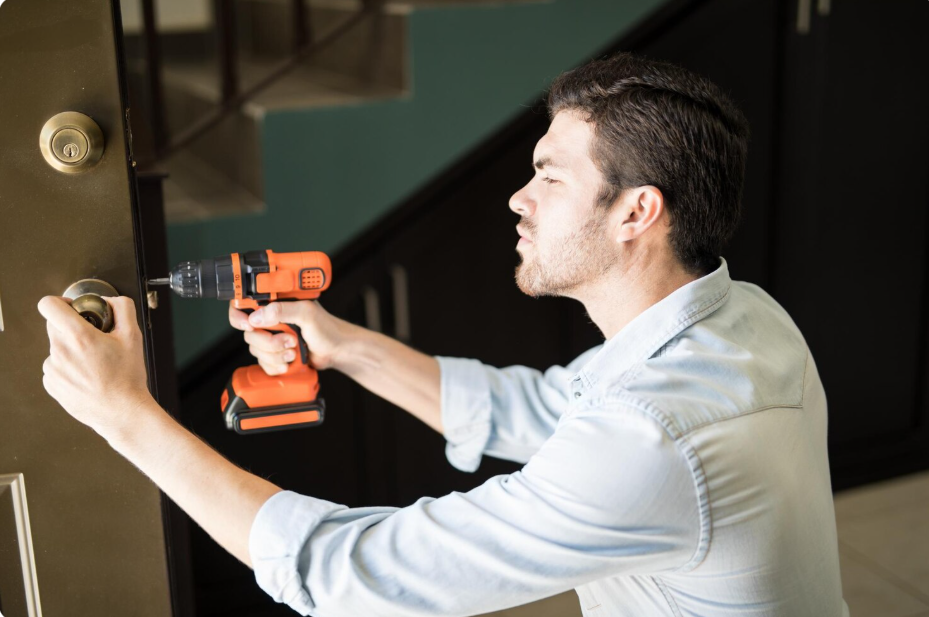
Even the most expensive, highly rated lock in the world is essentially a paperweight if it is installed incorrectly.
In the UK, many home security issues arise not from hardware failures but from human error during installation.
Ensuring that an installer correctly calibrates the door-to-frame gap, secures the strike plate with long, heavy-duty screws, and ensures the cylinder is flush with the door furniture is more important than the specific hardware brand.
This is especially true in historic or affluent areas where architectural demands are complex, and properties require tailored care.
For instance, securing high-value homes with intricate architectural features often requires sourcing specialist premium locksmith services in Chelsea to guarantee that bespoke installations do not inadvertently create security vulnerabilities.
Homeowners should prioritise finding professionals who understand the nuances of different door materials.
A uPVC door requires different mounting techniques from a composite or solid timber one. Failing to use the correct reinforcements or neglecting to properly secure the door furniture can turn a premium investment into a serious structural liability.
Identifying Maintenance Needs for Long-Term Protection
Security is not a “set and forget” task. Many high-end doors and locks require periodic maintenance to function as intended.
As doors settle over time, they may become harder to lock, often prompting homeowners to pull or push the door forcefully to engage the bolt.
This constant stress on the locking mechanism can wear down internal springs and pins, eventually leading to a failure that might leave the home exposed.
The intricate gearboxes inside modern multi-point locking systems are highly sensitive to friction. If they are forced to operate while misaligned, the internal components can easily fracture, causing the system to jam either in an open or a permanently locked state.
Regular checks—such as ensuring the key turns smoothly, the door latches without needing significant force, and the hardware remains free of debris—can extend the lifespan of your security systems.
Applying a dedicated silicone- or graphite-based lubricant to the keyway and moving parts once or twice a year prevents moisture build-up and reduces mechanical wear.
Conclusion
Now that you know the hidden dangers and risks of designer doors and premium locks, you can take the necessary steps to make your home truly secure. There’s an undeniable peace of mind that comes from that, so it’s well worth it to act as soon as possible.
Remember, if you’re unsure how to proceed with the installation or which upgrades you need, it’s always best to call a reliable local locksmith and have them handle it.
Good luck and stay safe!