
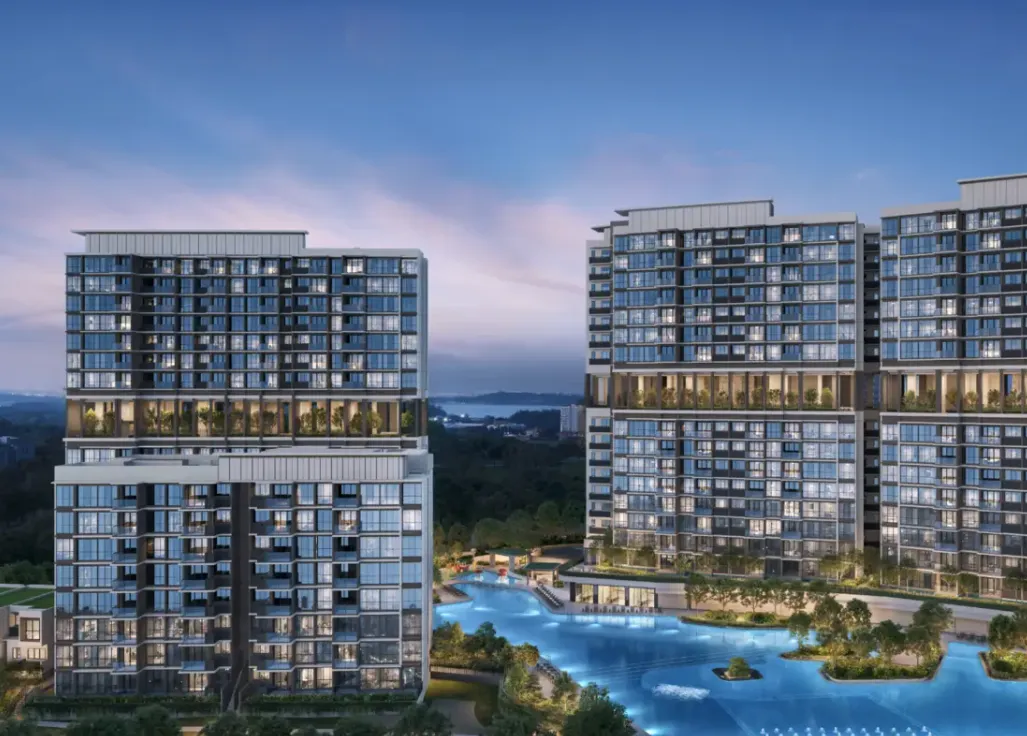
Buying a private condominium in Singapore is a major milestone, but many buyers look only at the initial purchase price. To make a sound financial decision, you must calculate the Total Cost of Ownership (TCO). Whether you want to buy a new launch in a transforming suburban enclave like Lentor Garden or a resale unit in an established neighborhood, the list price is just the starting point. TCO encompasses every expense you will incur during your holding period, from upfront taxes to monthly maintenance fees and eventual selling costs. Understanding these hidden numbers prevents financial strain and ensures your real estate investment actually yields a positive net return over time.
Understanding the Concept of Total Cost of Ownership
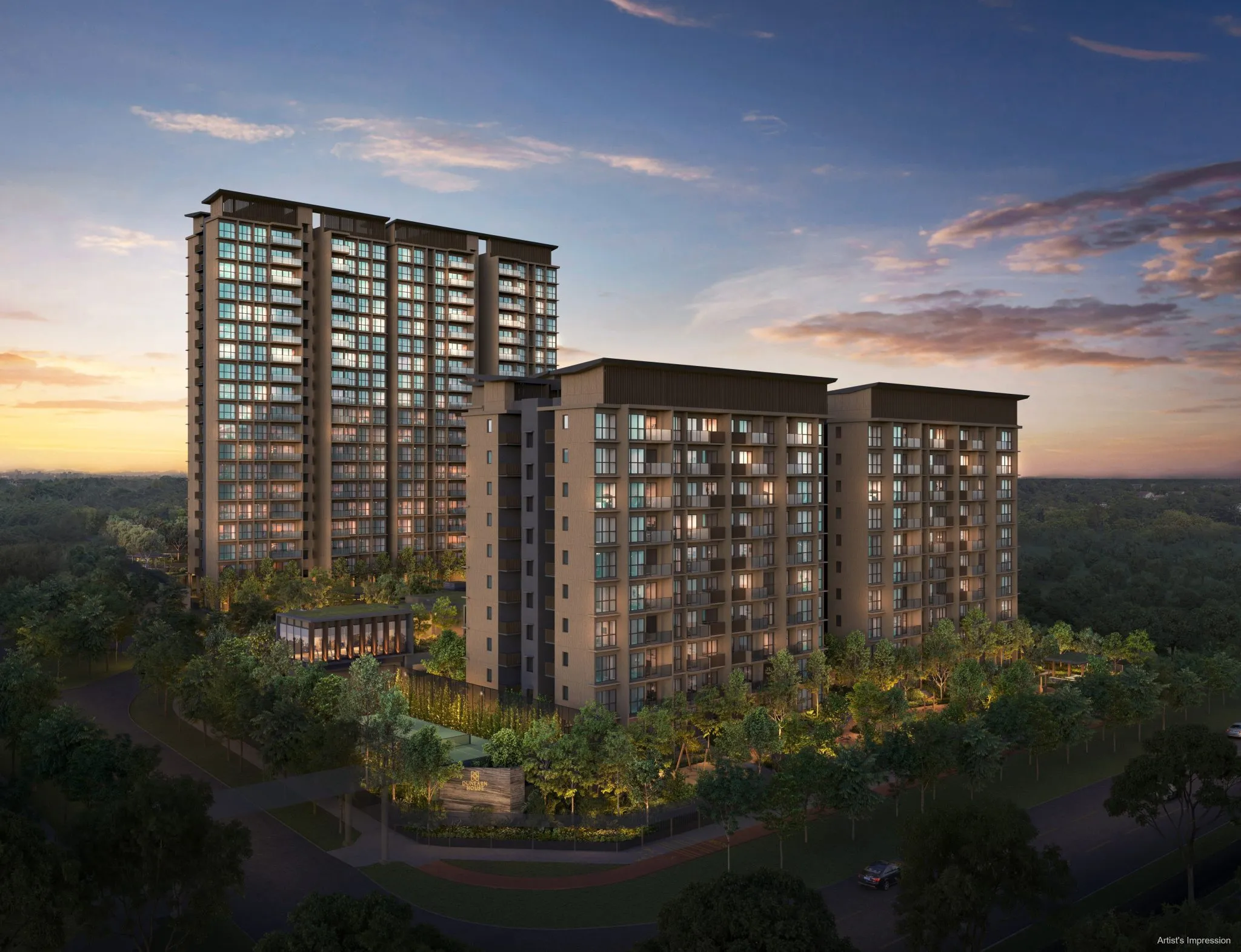
Total Cost of Ownership represents the entire financial commitment of owning a property over its life cycle. Many buyers mistake affordability for the ability to secure a home loan. However, ownership involves recurring and non-recurring expenses that quickly add up. For instance, comparing a massive master-planned project to a boutique freehold development like Dunearn House reveals vastly different cost trajectories.
Why the Purchase Price is Deceptive
The sticker price of a condo is merely the entry ticket. If you purchase a property for $1.8 million, your actual financial outlay over ten years will be significantly higher. You must account for interest payments, government levies, and inflation-adjusted maintenance fees.
The Components of TCO
A comprehensive TCO calculation splits costs into three distinct phases: acquisition, holding, and disposition. Acquisition includes stamp duties and legal fees. Holding costs cover mortgage interest, property taxes, insurance, and conservancy charges. Disposition covers agent commissions and legal fees when you eventually sell the unit. By analyzing these three phases, you gain a realistic view of your long-term financial obligations.
Upfront Acquisition Costs Beyond the Purchase Price
The first phase of TCO begins before you even receive the keys to your new home. Upfront costs require liquid cash or Central Provident Fund (CPF) savings, meaning they directly impact your initial capital reserves. When evaluating new launches like Lentor Garden, you must budget for these immediate cash outflows to avoid payment defaults.
Buyer’s Stamp Duty and Additional Buyer’s Stamp Duty
Buyer’s Stamp Duty (BSD) is a progressive tax applied to all property purchases in Singapore. For a $2 million property, BSD alone exceeds $70,000. If you are a second-time buyer or a foreigner, Additional Buyer’s Stamp Duty (ABSD) adds a massive percentage to your upfront costs, drastically altering your TCO.
Legal Fees and Valuation Costs
Engaging a law firm to handle the conveyancing process costs between $2,500 and $4,000. Additionally, banks require an independent valuation of the property before approving your loan, which costs several hundred dollars. You must also factor in initial home renovation and furnishing costs, which frequently range from $30,000 to over $100,000 depending on the size and condition of the condominium.
Ongoing Holding Costs and Maintenance Fees
Once you take possession of the property, ongoing holding costs begin to accumulate. These recurring expenses persist regardless of whether the property is occupied, vacant, or rented out. Over a decade, holding costs can easily equal 15% to 20% of the original purchase price.
Maintenance Funds and Sinking Funds
Every condo owner pays monthly maintenance fees to the Management Corporation Strata Title (MCST). These fees cover daily operations like security, cleaning, and pool maintenance. Additionally, a portion goes to a sinking fund for major future repairs, such as repainting or lift replacements. While newer developments have predictable fees, older developments like Dunearn House might require higher contributions to manage aging infrastructure. Expect to pay anywhere from $300 to $800 per month depending on your share value.
Property Taxes and Home Insurance
Property tax in Singapore is progressive and based on the Annual Value (AV) of your home. Owner-occupied properties enjoy lower tax rates than non-owner-occupied properties. Along with property tax, you must purchase fire insurance and home contents insurance to protect your investment against unforeseen disasters, adding a few hundred dollars to your annual expenses.
Financing Costs and the Impact of Interest Rates
Unless you are paying entirely in cash, financing represents the single largest component of your TCO. The interest paid to the bank over a 25-year or 30-year tenure can add hundreds of thousands of dollars to your total expenditure.
The Reality of Amortization
In the early years of a mortgage, a significant portion of your monthly payment goes toward paying off interest rather than the principal amount. For example, a $1.2 million loan at a 3.5% interest rate results in over $40,000 in interest payments in the first year alone. This interest is a pure expense that does not build equity in your home.
Refinancing and Repricing Costs
To keep interest costs low, smart owners refinance their mortgages every few years. However, switching banks involves administrative fees, legal fees, and valuation fees. Ignoring these refinancing costs leads to an incomplete TCO calculation. When comparing the long-term viability of a suburban asset like Lentor Garden against other options, tracking your cumulative interest expense is vital to determining your true net profit upon resale.
Exit Costs and Opportunity Costs
The final phase of TCO occurs when you decide to sell the property. Many homeowners calculate their profit simply by subtracting the purchase price from the selling price, which is a critical financial mistake. You must subtract all transaction costs to find your actual net gain.
Seller’s Stamp Duty and Agent Commission
If you sell your condo like Pinery within three years of purchase, you must pay Seller’s Stamp Duty (SSD), which starts at 12% in the first year. Even after three years, you must pay a standard estate agent commission, which typically ranges from 2% to 4% of the sale price. Whether you are selling a premium unit at Dunearn House or a modern suburban apartment, these transactional fees eat directly into your capital gains.
CPF Accrued Interest
If you used your CPF Ordinary Account savings to fund your down payment or monthly mortgage installments, you must refund that amount plus the 2.5% accrued interest back into your CPF account upon sale. While this money remains yours, it returns to your retirement account rather than your liquid cash reserves, impacting your next property purchase.
Final Thoughts
Calculating the Total Cost of Ownership is the only way to ensure your Singapore condo is a genuine financial asset rather than a cash drain. By looking past the initial purchase price and factoring in stamp duties, recurring MCST fees, financing costs, and eventual exit fees, you protect yourself from unexpected financial strain. Real estate in Singapore remains a highly resilient asset class, but success requires meticulous planning. Take the time to run these numbers before signing the Option to Purchase, ensuring your investment aligns perfectly with your long-term wealth goals.