
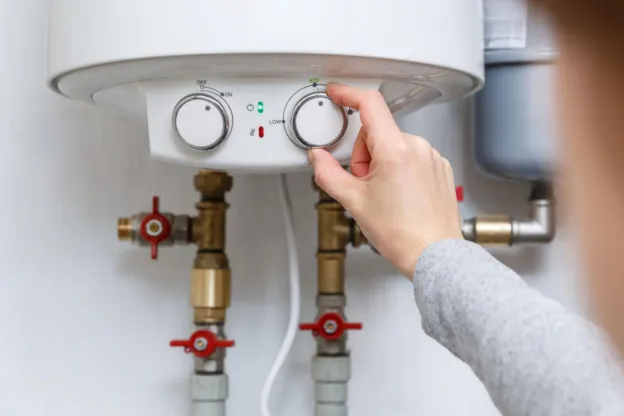
Running out of hot water mid-shower or waiting forever for the tap to warm up are common frustrations. The right water heater keeps pace with daily demand while operating efficiently and reliably for years. Household size, peak usage patterns, fuel availability, and space constraints all influence the best choice. Understanding the main types of systems and the factors that affect performance makes the decision clearer. Many homeowners find that selecting quality water heaters for steady hot water prevents the inconvenience of temperature fluctuations and unexpected shortages.
Water heaters are not identical in how they store or generate heat, how quickly they recover, or how much energy they consume. Matching the technology to actual household needs produces better results than simply replacing an old unit with the same style and size.
Assessing Household Hot Water Demand
Start by estimating how much hot water the household uses during peak periods. A typical shower draws 2 to 3 gallons per minute. Clothes washers, dishwashers, and multiple bathrooms running at once add to simultaneous demand. Count the number of people, bathrooms, and major appliances. Note whether usage is spread throughout the day or concentrated in short morning and evening windows.
First-hour rating (for tank models) or flow rate and temperature rise (for tankless models) help match capacity to demand. An undersized unit will run out during busy times. An oversized unit wastes energy and may short-cycle. Accurate assessment of peak demand is more useful than rules of thumb based only on the number of bedrooms.
Storage Tank Water Heaters
Traditional tank water heaters remain widely used because they are relatively simple and provide a ready reserve of hot water. Gas and electric versions are common. Gas models generally recover faster, while electric models are often less expensive to install when gas lines are not available.
Tank size typically ranges from 30 to 80 gallons for residential use. The first-hour rating indicates how much hot water the unit can deliver in an hour of peak use, combining the stored volume with the recovery rate. Insulation quality and the age of the unit affect standby heat loss—the energy used to keep water hot even when no one is drawing it.
Tank heaters work well for households with moderate, predictable demand. They require space for the tank itself and periodic flushing to reduce sediment buildup. Anode rod inspection and replacement help extend tank life by reducing corrosion.
Tankless Water Heaters
Tankless, or on-demand, units heat water only when a tap or appliance calls for it. They eliminate most standby losses and can supply a continuous flow of hot water as long as the demand stays within the unit’s capacity. Gas tankless models generally offer higher flow rates than electric versions.
These systems suit homes where space is limited or where hot water use is spread out rather than heavily simultaneous. Multiple fixtures running at once can exceed the unit’s flow capacity, resulting in reduced temperature or flow. Proper sizing based on required flow rate and the temperature rise needed for the local climate is essential. In colder regions, incoming groundwater is colder, so the heater must work harder to reach the set temperature.
Installation often requires larger gas lines or upgraded electrical service, and maintenance includes periodic descaling in hard-water areas. When sized and installed correctly, tankless systems provide steady hot water without the storage tank footprint.
Heat Pump Water Heaters
Heat pump water heaters move heat from the surrounding air into the water rather than generating heat directly. They can be significantly more efficient than standard electric resistance tanks, especially in moderate climates and spaces that remain relatively warm year-round.
These units work best in locations with adequate air volume and temperatures above roughly 40°F. They cool and dehumidify the surrounding air as they operate, which can be an advantage in some utility rooms or a drawback in others. Hybrid models include electric resistance elements for backup during high demand or cooler conditions.
Upfront cost is higher than a standard electric tank, but lower operating costs often offset the difference over time. Space requirements and the need for condensate drainage are practical considerations during installation.
Other Options and Fuel Considerations
Solar water heaters use collectors to gather heat from the sun and transfer it to a storage tank. They work best as a pre-heating system paired with a conventional backup heater. Performance depends on climate, roof orientation, and local incentives.
Fuel choice affects both operating cost and installation feasibility. Natural gas, propane, electricity, and in some areas fuel oil each have different price structures and availability. High-efficiency gas models and heat pump units often deliver lower long-term energy costs, while electric resistance remains simple where gas is unavailable.
Local codes, venting requirements for combustion appliances, and available electrical capacity all influence the practical options for a given home.
Key Selection Factors Beyond Type
Efficiency ratings such as Uniform Energy Factor (UEF) allow comparison across models. Higher ratings generally mean lower operating costs, though the difference depends on usage patterns and energy prices.
Warranty length and the reputation of the manufacturer for parts availability matter for long-term ownership. Installation quality is equally important. Proper venting, seismic strapping where required, expansion tanks on closed systems, and correct temperature and pressure relief valve installation affect both safety and performance.
Hard water shortens the life of both tank and tankless units. A water softener or scheduled maintenance helps protect the investment. Location of the heater influences recovery time and heat loss; placing it closer to major points of use reduces wait time at the tap.
Making the Final Decision
Compare the estimated daily and peak hot water needs against the capacity of each candidate system. Factor in available space, existing fuel lines or electrical service, climate, and long-term energy costs. Request clear information on first-hour ratings or flow rates rather than relying only on nominal tank size or marketing claims.
Professional sizing and installation help avoid common problems such as inadequate capacity, improper venting, or incorrect temperature settings. A properly selected and installed water heater delivers consistent performance with fewer interruptions.
Conclusion
Choosing the right water heater starts with understanding household demand and matching it to the strengths of tank, tankless, heat pump, or other available technologies. Capacity, fuel type, efficiency, space, and maintenance requirements all play roles in long-term satisfaction. Taking time to evaluate actual usage patterns and site conditions leads to a system that supplies steady hot water without frequent shortages or excessive energy use.
A well-matched water heater becomes a quiet, reliable part of daily life rather than a source of recurring inconvenience. It supports consistent showers, efficient appliance cycles, and greater peace of mind when multiple fixtures are in use. By focusing on real household needs instead of generic recommendations, homeowners can select equipment that performs well for years and avoids the common frustrations of inadequate hot water supply. The effort spent on proper selection and professional installation pays off through dependable performance and more predictable operating costs over the life of the system.